
B.A. in Graphic Design
WLU’s Graphic Design program pairs design thinking and UX to prepare students to create meaningful work across branding, packaging, apps, and motion graphics.
Expand Your Impact
in Graphic Design
The Graphic Design concentration within the Art & Design degree program, focuses on the art of communication using images and typography within a wide range of print and digital applications and settings. It exists at the convergence of business and creativity.
Degree Type: Bachelor of Arts in Art & Design: Graphic Design
Total Credits: 120
Format: In-seat, classroom and lab settings
Program
Overview
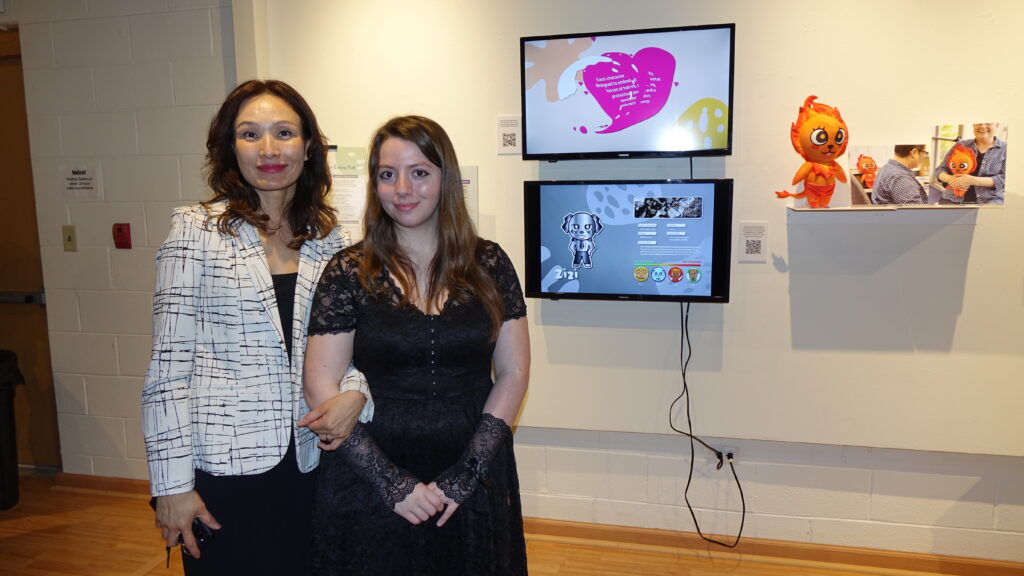
Students begin their studies with a targeted foundation program learning art and design theory in a studio setting. As students advance through the Graphic Design program, they focus on specific areas of interest culminating in a comprehensive Senior Project and Exhibition highlighting their areas of strength within the Graphic Design discipline. Upon graduation, students will have a working portfolio and resume preparing them for application to in-office and remote entry-level graphic design positions.
Throughout the Graphic Design program, students will “develop a broad range of skills in visualization, communication, presentation, writing, and technology. These skills provide an excellent foundation for careers in publishing, graphic design, web design, multimedia, arts administration, and specialist careers in the art, design, and digital media industries.”
Who This
Program Is For
The Visual Communicator
Students who enjoy solving problems through imagery, typography, and layout. They are motivated by creating designs that inform, persuade, and connect with audiences across print and digital platforms.
The Brand Builder
Students interested in logos, identity systems, advertising, and marketing campaigns. They want to help businesses and organizations establish strong visual identities and communicate effectively with consumers.
The Digital Designer
Students drawn to designing for screens and interactive experiences. They may be interested in web design, user interface (UI) design, user experience (UX), app design, or social media graphics.
The Creative Strategist
Students who combine creativity with critical thinking and problem-solving. They are interested in understanding audiences, developing concepts, and using design as a strategic communication tool.
The Entrepreneurial Creative
Students who aspire to freelance, start their own design business, or build a personal brand. They are motivated to create professional portfolios and gain practical skills for working with clients and managing creative projects.
What
You’ll Learn
Students in the Graphic Design program develop the creative, technical, and strategic skills needed to communicate ideas visually and solve real-world problems through design. Through hands-on projects, critiques, and portfolio-building experiences, graduates leave prepared for careers in print, digital media, branding, and interactive design.
Visual Communication & Branding
- Create effective designs using typography, color theory, composition, and visual hierarchy
- Develop logos, brand identities, and marketing materials for a variety of audiences
- Communicate ideas clearly through strategic and visually compelling design solutions
Digital Design & Creative Software
- Build proficiency in industry-standard software such as Adobe Photoshop, Adobe Illustrator, and Adobe InDesign
- Design for print, web, social media, and interactive platforms
- Create polished layouts, illustrations, and digital assets for professional use
Professional Practice & Portfolio Development
- Present and defend design concepts through critiques and client-style presentations
- Build a professional portfolio showcasing a range of creative and technical abilities
- Gain experience in project management, collaboration, and working with clients or teams
Curriculum
Overview
The curriculum for Graphic Design allows students to develop and implement solutions to problems encountered in all phases of the Graphic Design process, create graphic design through the application of design theories and principles to develop effective design solutions, and apply typographic skills and knowledge to create effective graphic design.
We focus on the effective use of technologies to create and manipulate graphic design elements in producing a final product and the ability to communicate effectively, credibly, and accurately with clients, supervisors, and target audiences by using a variety of media.
Program Structure
- General Education & Prerequisites: 47 credits
- Graphic Design Coursework: 70 credits
Career &
Outcomes

Graduates of the Graphic Design program are prepared to enter creative industries where visual communication, branding, and digital design are in high demand. With a professional portfolio and industry-relevant experience, students are equipped for careers in agencies, corporations, nonprofits, media organizations, or freelance practice.
Possible Career Paths:
- Graphic Designer – Create visual assets for print, digital, and social media campaigns
- Brand Designer / Identity Designer – Develop logos, style guides, and brand systems
- Web Designer – Design websites and digital experiences for businesses and organizations
- UI / UX Designer – Create user-friendly interfaces and improve digital user experiences
- Advertising / Marketing Designer – Design promotional materials and campaign visuals
- Motion Graphics Designer – Produce animated graphics and visual effects for video and web
- Publication / Editorial Designer – Design magazines, books, and other print or digital publications
- Social Media Content Designer – Create engaging graphics and content for online platforms
- Illustrator – Produce original artwork for editorial, commercial, or entertainment purposes
- Freelance Designer / Creative Entrepreneur – Work independently or build a personal design business
Graduate & Professional Opportunities:
- Build a competitive portfolio for agency, corporate, or freelance work
- Pursue graduate study in graphic design, advertising, UX/UI, or related creative fields
- Apply design skills across industries including business, education, healthcare, entertainment, and nonprofit organizations
Admission
Requirements
Students who are admitted to West Liberty University are able to begin coursework within Graphic Design.
Requirements:
- Admission to West Liberty University
An advisor will be assigned to you upon admission to help guide you through planning your coursework each semester.
Cost, Aid &
Affordability
West Liberty University is committed to delivering a high-quality professional education that remains accessible and affordable.

Students may be eligible for:
- Federal and state financial aid
- Institutional scholarships
- Program-specific or need-based assistance
Financial aid counselors and academic advisors work closely with students to help them understand costs, explore funding options, and plan for their educational investment.
Steps to
Enrollment
Step 1: Apply to West Liberty University
Step 2: Declare your Graphic Design major
Step 3: Review the advising guide and prepare for enrollment
Admissions counselors and program advisors are here to support you at every step.
Become A
Hilltopper
West Liberty University is a place where you can pursue your dreams and prepare for the future. With more than 60 programs, a vibrant campus life, small classes, and an affordable cost, the quality education you’ll get at West Liberty is like no other.